

• Home
  • Search
  • Browse All Works
  • My Account
  • About
  • DC Network Digital Commons Network™
Skip to main content
  • Home
  • About
  • FAQ
  • My Account
The Keep Eastern Illinois University

Home > CLAS > MUSIC > EARL_BOYD_COLLECTION > EARL_BOYD_PAPERS

The Earl Boyd Collection

Papers

 
Printing is not supported at the primary Gallery Thumbnail page. Please first navigate to a specific Image before printing.
Follow

Switch View to Grid View Slideshow
 
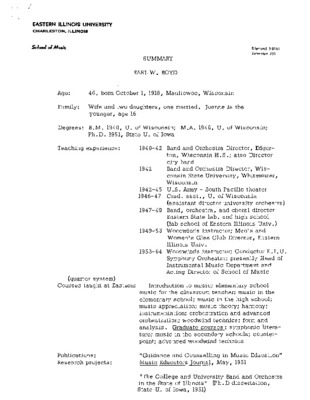
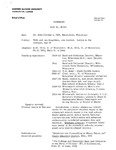
  • Earl Boyd curriculum vitae by Earl Boyd

    Earl Boyd curriculum vitae

    Earl Boyd

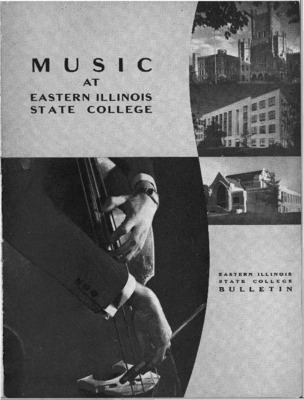
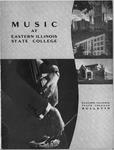
  • EISC Bulletin - Music at Eastern Illinois State College by Earl Boyd

    EISC Bulletin - Music at Eastern Illinois State College

    Earl Boyd

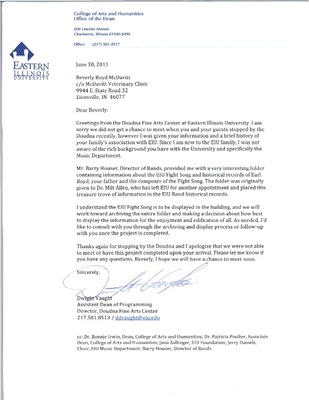
  • Dwight Vaught Letter to Beverly Boyd McDavitt by Dwight Vaught

    Dwight Vaught Letter to Beverly Boyd McDavitt

    Dwight Vaught

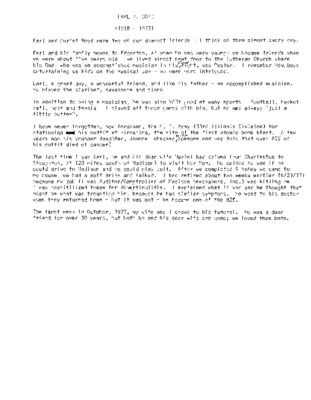
  • In Memory of Earl Boyd, by Rollie Barsness by Rollie Barsness

    In Memory of Earl Boyd, by Rollie Barsness

    Rollie Barsness

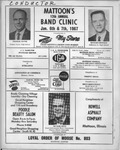
  • Conductor's Folder by Earl Boyd

    Conductor's Folder

    Earl Boyd

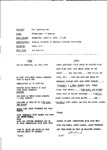
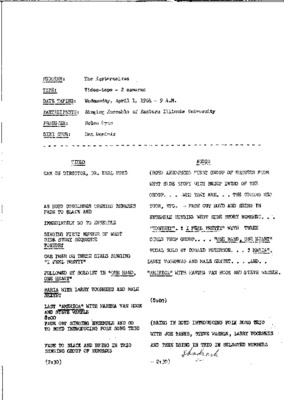
  • The Easternaires (Production Notes) by Earl Boyd

    The Easternaires (Production Notes)

    Earl Boyd

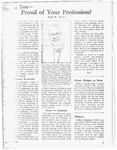
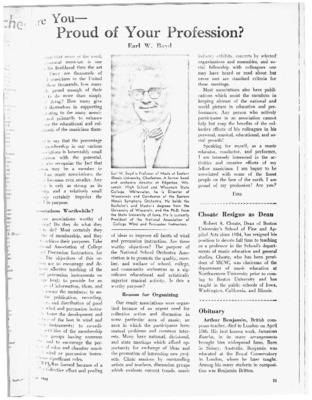
  • Are You Proud of Your Profession? by Earl Boyd

    Are You Proud of Your Profession?

    Earl Boyd

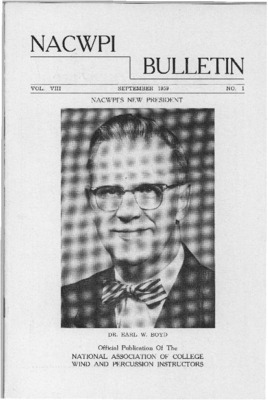
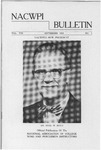
  • NACWPI Bulletin Vol. VIII No. 1 by Earl Boyd

    NACWPI Bulletin Vol. VIII No. 1

    Earl Boyd

    This issue of the National Association of College Wind and Percussion Instructors notes Dr. Boyd's assuming the mantle of President of the organization.

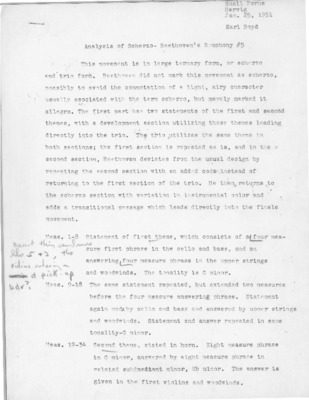
  • Analysis of Scherzo - Beethoven's Symphony No. 5 by Earl Boyd

    Analysis of Scherzo - Beethoven's Symphony No. 5

    Earl Boyd

    This movement is in the large ternary form, or scherzo and trio form. Beethoven did not mark this movement as scherzo, possibly to avoid the connotation of a light, airy character usually associated with the term scherzo, but merely marked it allegro. The first part has two statements of the first and second themes, with a development section utilizing theses themes leading directly to the trio. The trio utilizes the same theme in both sections; the first section is repeated as is, and in the second section, Beethoven deviates from the usual design by repeating the second section with an added coda instead of returning to the first section of the trio. He then returns to the scherzo section with variation in instrumental color and adds a transitional passage which leads directly into the finale movement.

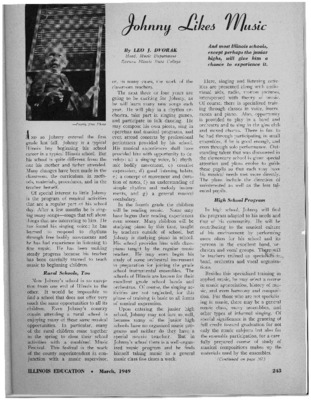
  • Johnny Likes Music by Earl Boyd

    Johnny Likes Music

    Earl Boyd

    This article by Dr. Boyd was published in the journal Illinois Education in March 1949.


Find


Advanced Search

  • Notify me via email or RSS

Browse

  • A-Z Communities List
  • Daily Eastern News
  • The Warbler
  • All Authors
  • All Works

Graduate Students

  • Deposit Your Thesis

Authors

  • Author Rights/Terms of Service

Student Scholar Selfies

  • View Gallery
  • Add Your Selfie:
  • Student Selfies QR Code


Connect

  • Scholars@EIU
  • Booth library
  • Contact Us
  • Disciplines Wheel
  • View Larger
 
Elsevier - Digital Commons

Home | About | FAQ | My Account | Accessibility Statement

Privacy Copyright